
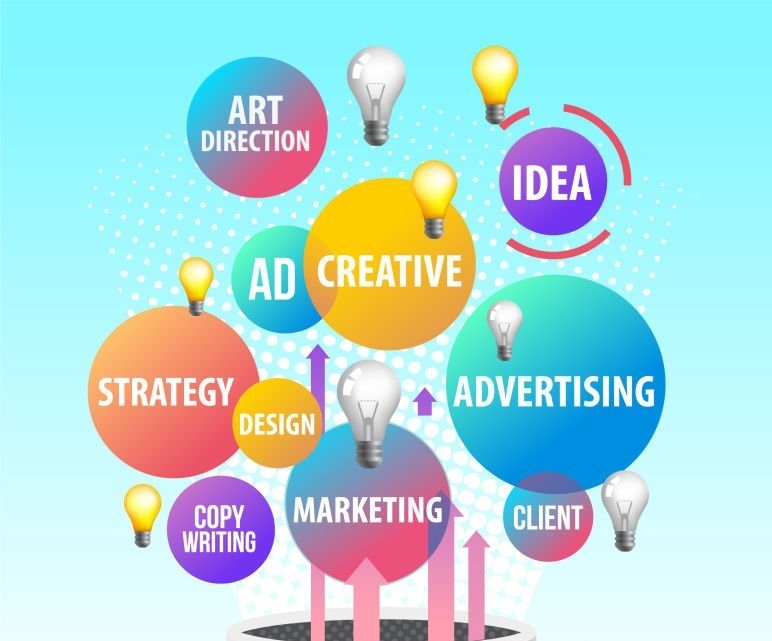
The digital marketing landscape has been transformed by artificial intelligence (AI). From automated campaigns to hyper-personalized content, AI is now at the core of how brands connect with customers.
But as we embrace this cutting-edge technology, marketers must also grapple with critical ethical concerns. In this post, we explore the use cases of AI in digital marketing and the growing importance of ethical practices in a data-driven world.
🤖 What Is AI in Digital Marketing?
AI in digital marketing refers to the use of machine learning, natural language processing (NLP), and automation tools to streamline, personalize, and improve marketing strategies.
It helps businesses:
-
Understand customer behavior
-
Predict future actions
-
Personalize user experiences
-
Automate repetitive tasks
-
Optimize ad performance
Let’s dive into how it’s being used in real-world applications.
🚀 Top Use Cases of AI in Digital Marketing
1. Personalization at Scale
AI enables marketers to create individualized content, product recommendations, and offers based on user behavior, preferences, and real-time data.
Example:
Ecommerce platforms like Amazon use AI to recommend products based on browsing history and purchase patterns.
2. Predictive Analytics
Using historical data, AI can predict future behavior such as:
-
Purchase intent
-
Churn risk
-
Click-through probability
This empowers marketers to create more effective retargeting and conversion strategies.
3. Chatbots and Conversational AI
AI-driven chatbots provide 24/7 customer support, answer FAQs, and guide users through the sales funnel.
Example:
Brands use tools like Drift or Intercom to qualify leads and book appointments automatically.
4. AI-Powered Content Creation
Tools like ChatGPT, Jasper, and Copy.ai allow marketers to:
-
Generate blogs, emails, and social posts
-
A/B test different headlines
-
Create SEO-optimized content faster
5. Programmatic Advertising
AI automates the process of buying ad space in real-time, helping marketers:
-
Reach the right audience
-
Optimize ad spend
-
Maximize ROI
6. Email Marketing Automation
AI improves open rates and conversions by optimizing:
-
Subject lines
-
Send times
-
Dynamic content based on user behavior
7. Social Media Optimization
AI tools analyze user engagement to recommend:
-
Best posting times
-
Content types
-
Influencers to collaborate with
Platforms like LatelyAI and Cortex use machine learning to boost campaign performance.
⚖️ Ethical Concerns of Using AI in Marketing
While AI offers powerful tools, it also introduces significant ethical dilemmas.
1. Data Privacy & Consent
AI relies on massive amounts of user data. But how this data is collected and used raises concerns:
-
Are users aware?
-
Have they given explicit consent?
Best practice: Always be transparent and privacy-compliant (e.g., follow GDPR, CCPA, etc.)
2. Bias in Algorithms
AI models can inherit biases from training data, leading to:
-
Discrimination in ad targeting
-
Unequal content visibility
Solution: Use fair AI practices and continuously audit AI systems for bias.
3. Lack of Transparency
Users often don’t know when AI is being used or how decisions are made.
Example: An AI might reject a loan or filter job applications without explaining why.
Fix: Increase algorithm transparency and adopt explainable AI models.
4. Over-Automation
While automation saves time, overreliance on AI can make marketing feel robotic and impersonal.
Tip: Maintain a human touch in messaging and engagement.
5. Intellectual Property and Deepfakes
With AI-generated images, videos, and voices, marketers must ensure:
-
No copyright infringement
-
No deception (e.g., fake influencers or AI deepfakes)
✅ Best Practices for Ethical AI Marketing
-
Be Transparent: Inform users when AI is being used
-
Get Consent: Use clear opt-ins for data collection
-
Ensure Fairness: Audit AI tools for bias regularly
-
Limit Automation: Keep humans in the loop for creative and sensitive decisions
-
Stay Compliant: Align with data regulations like GDPR, CCPA, and future AI laws
📈 The Future of AI in Marketing: Innovation with Responsibility
AI is rapidly evolving—and so are the expectations around its use. The most successful brands will be those that use AI not just intelligently, but responsibly.
In 2025 and beyond, expect to see:
-
AI legislation and ethical frameworks
-
Stronger consumer demand for transparency
-
More tools focused on privacy-first personalization
🚀 Final Thoughts
AI is not just a trend—it’s a revolution in digital marketing. But with great power comes great responsibility.
To win in this new era, marketers must:
-
Embrace AI for innovation
-
Uphold ethical standards
-
Respect user data and trust
By doing so, you won’t just beat the competition—you’ll build a brand people truly believe in.